Gerd Sedat
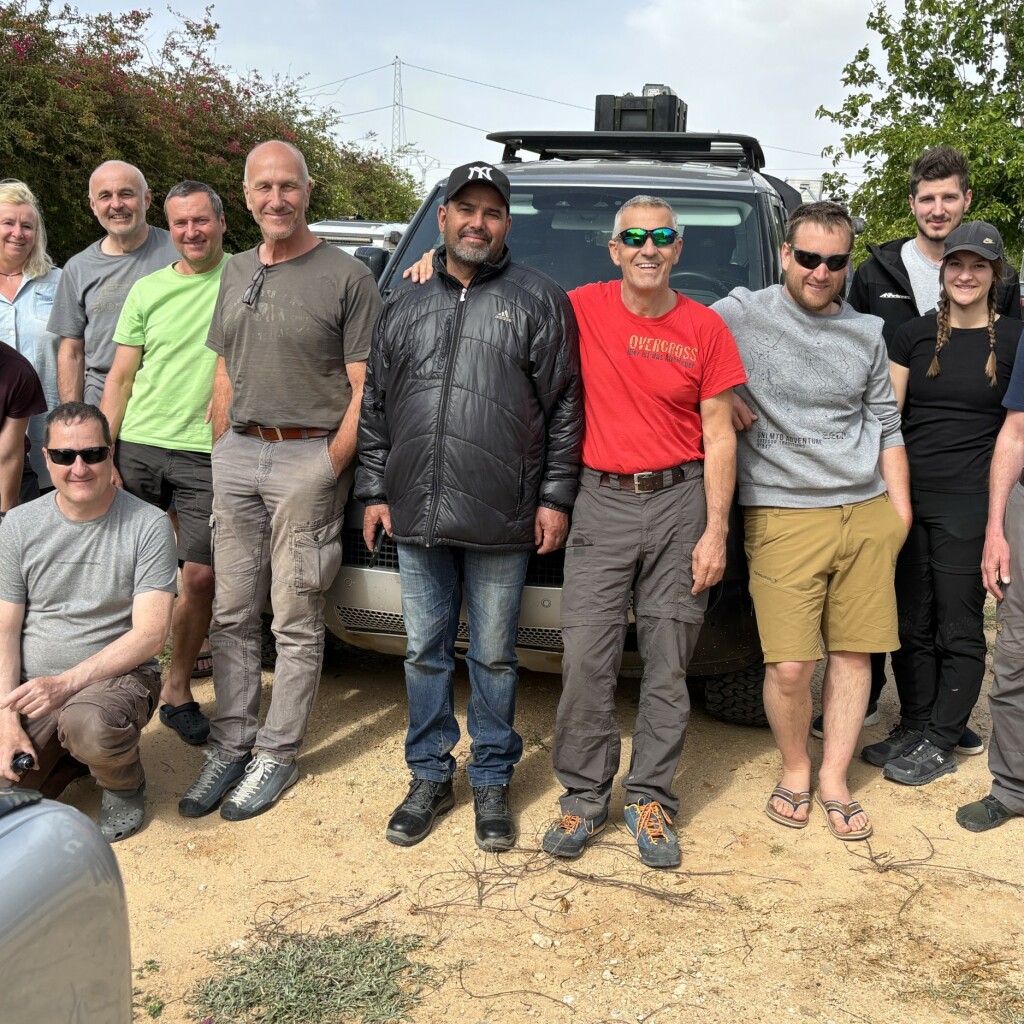
Tunisia offroad, this was a success, great tour driving, nice people, everyone helped at any moment, whether in the kitchen or in recovering the vehicles in the...
.JPG "Offroad-Reisen Tunesien, Dünen, tunesische Wüste")
OFF-ROAD-TOURS · TUNISIA
When the asphalt ends, your Sahara 4x4 adventure begins.You stand at the edge of an endless landscape: dunes to the horizon, the engine vibrates, the sand glows. Out here in the Tunisian Sahara, no odometer matters, but the feeling of direction.
The Journey
The Sahara 4x4 tour in Tunisia takes you right into a world of sand, silence, and boundless expanses. On this Sahara 4x4 tour, you combine off-road adventure and deep desert feeling with real data and facts that provide you with security. Experience off-road Tunisia as hardly any ordinary traveler ever sees it.
This fascinating combination of landscape, culture, and technical challenge forms the foundation of your Sahara 4x4 tour - but the true adventures only begin when looking into the daily program. In the following part, you will see how the itinerary unfolds day by day: from ferry crossing to the last trace in the sand.

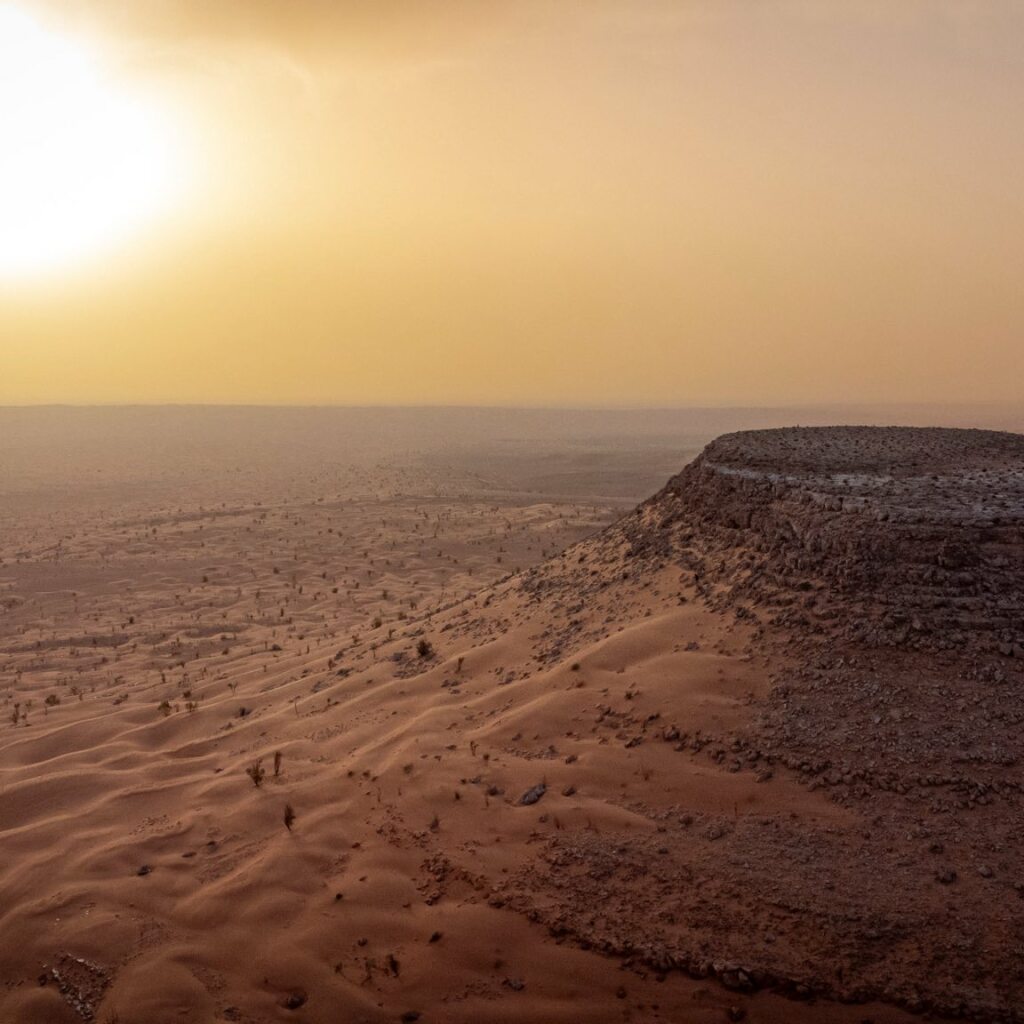
Your Sahara 4x4 adventure begins even before the first grain of sand. All participants receive their information folder in advance: with meeting points, equipment list, and preparation tips. Whether you join directly at Overcross in Tübingen, in Switzerland, or only at the port of Genoa: you decide. In the evening, the group meets: testing radios, checking tire pressure, sorting tools. The atmosphere is electric, the scent of motor oil and wanderlust is in the air. Tomorrow your journey to Africa begins.

In the port of Genoa, the 4x4 vehicles roll in like part of an expedition. Between 3 and 4 PM, the convoy gathers, the Sahara 4x4 tour takes shape. At the CNT terminal, you receive your ferry tickets, with the Overcross sticker for the Fast Lane and your QR code for quick check-in. The MS Tanit swallows over 1000 vehicles and carries us out onto the Mediterranean. As Genoa's lights disappear behind us, the first true moment of this 4x4 Tunisia journey begins.
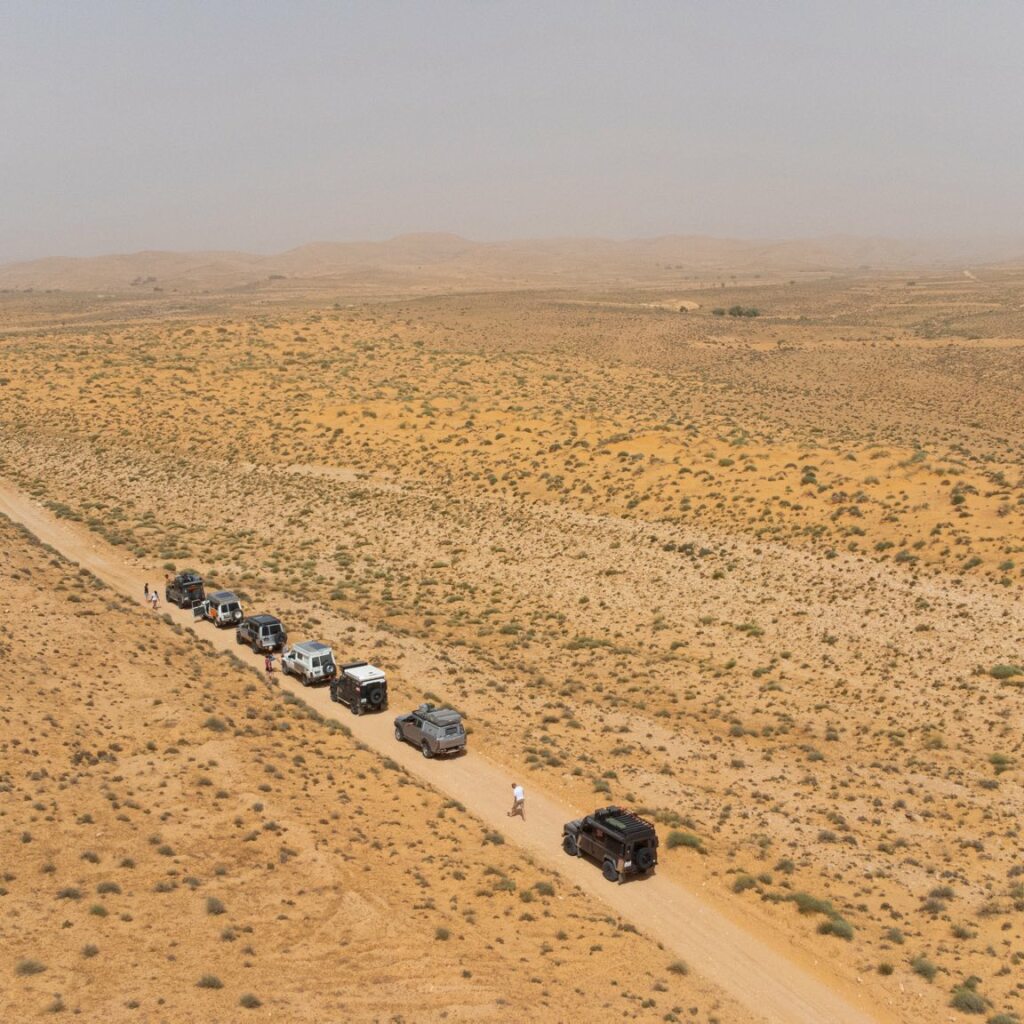
The morning at sea: sunrise, salt in the air, Sardinia on the horizon. Around noon, Cap Bon appears, shortly after we enter the port of La Goulette. Thanks to VIP service, we are on African soil with stamped passports and local currency within 45 minutes. The convoy rolls through Tunis towards Hammamet. First hotel overnight stay, first dinner at the Gulf of Hammamet. Africa greets us with warmth and chaos. Now it begins.
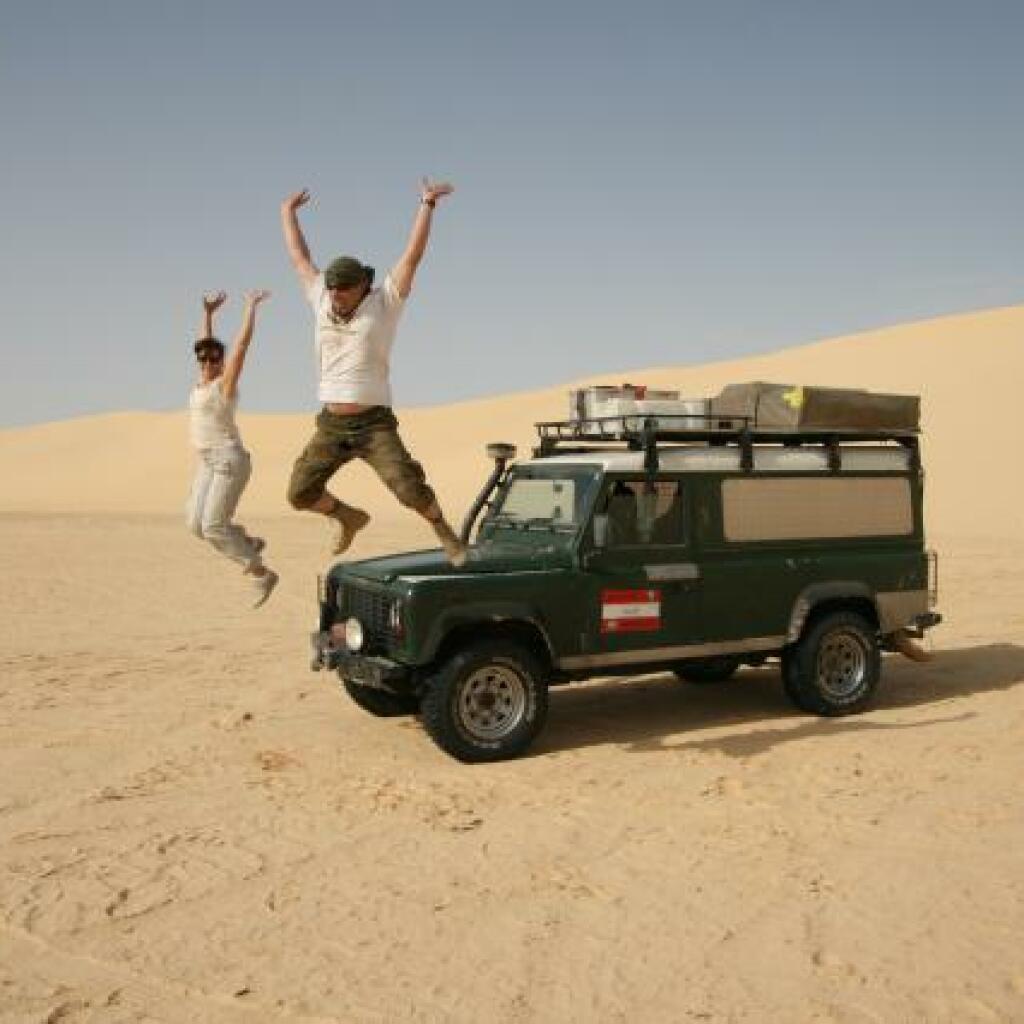
After a Tunisian breakfast, we drive on the highway towards the southeast. The radios are active; everyone knows what to do. The Sahara 4x4 tour runs precisely.
At noon, we stop by ancient Roman ruins, eating under columns and history. Afterwards, the route takes us to the Dahar Mountains, where Star Wars was filmed. Matmata, the cave dwellings of the Berbers. In the evening, Faisal cooks for us: honest, homemade Tunisian cuisine. An evening among cinnamon, chili, and laughter.

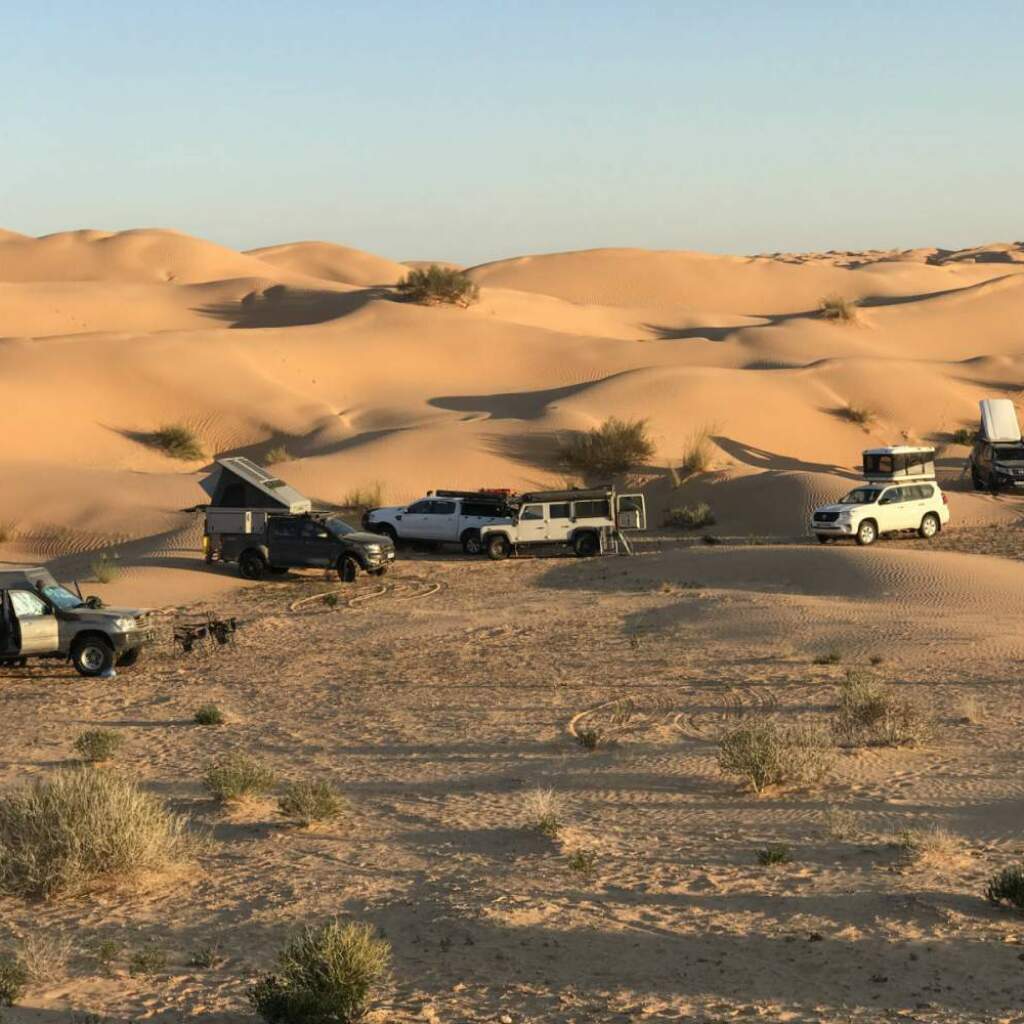
Today the true off-road part begins. We refuel with water and diesel, load provisions, then the asphalt ends. On the edge of the desert stands our first camp: setting up tents, testing radios, training mountain exercises. The Overcross guides provide instruction on driving technique, tire pressure, and driving track in the sand. As the sun sets, the fire flickers. Above you: a galaxy of stars. Below you: sand. This is Sahara 4x4: arrival in the vastness of nature.
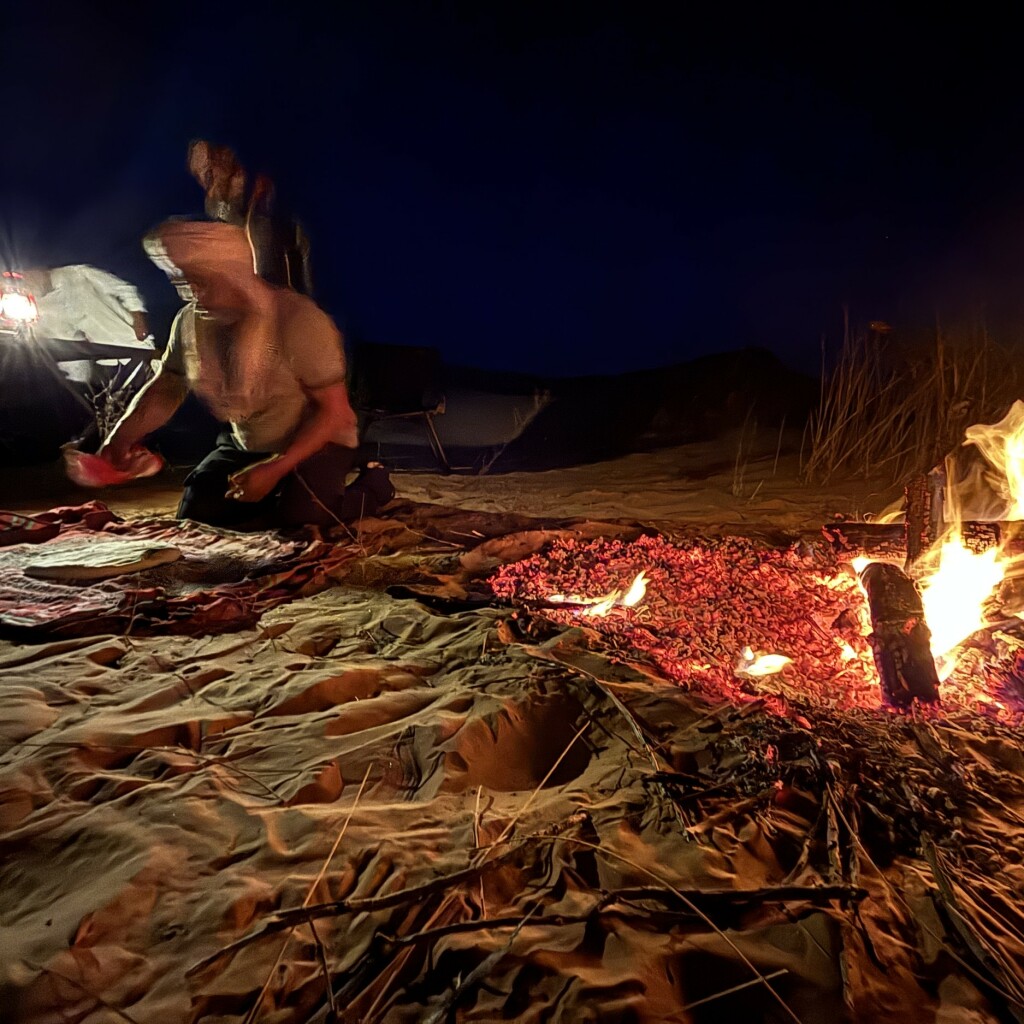
We continue across the Hamada, stopping at the oasis Ksar Ghilane. A place between magic and tourism. A short bath in the hot spring water, then the convoy leaves civilization.
In the afternoon, the sand training begins: driving in the dunes, reverse recovery, sand sheets, teamwork.
In the evening we cook together: lamb, couscous, bread from the embers. Whoever has cooked in the Sahara once never forgets it!
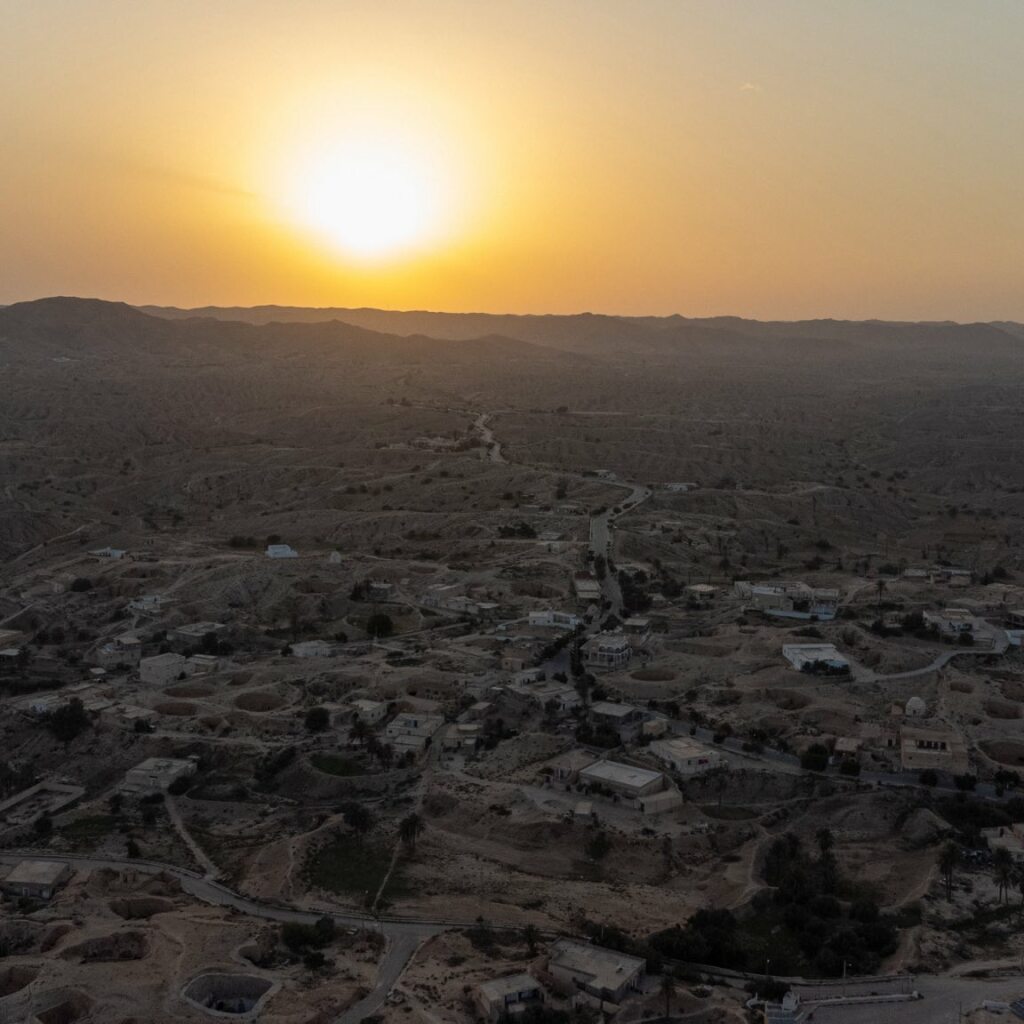
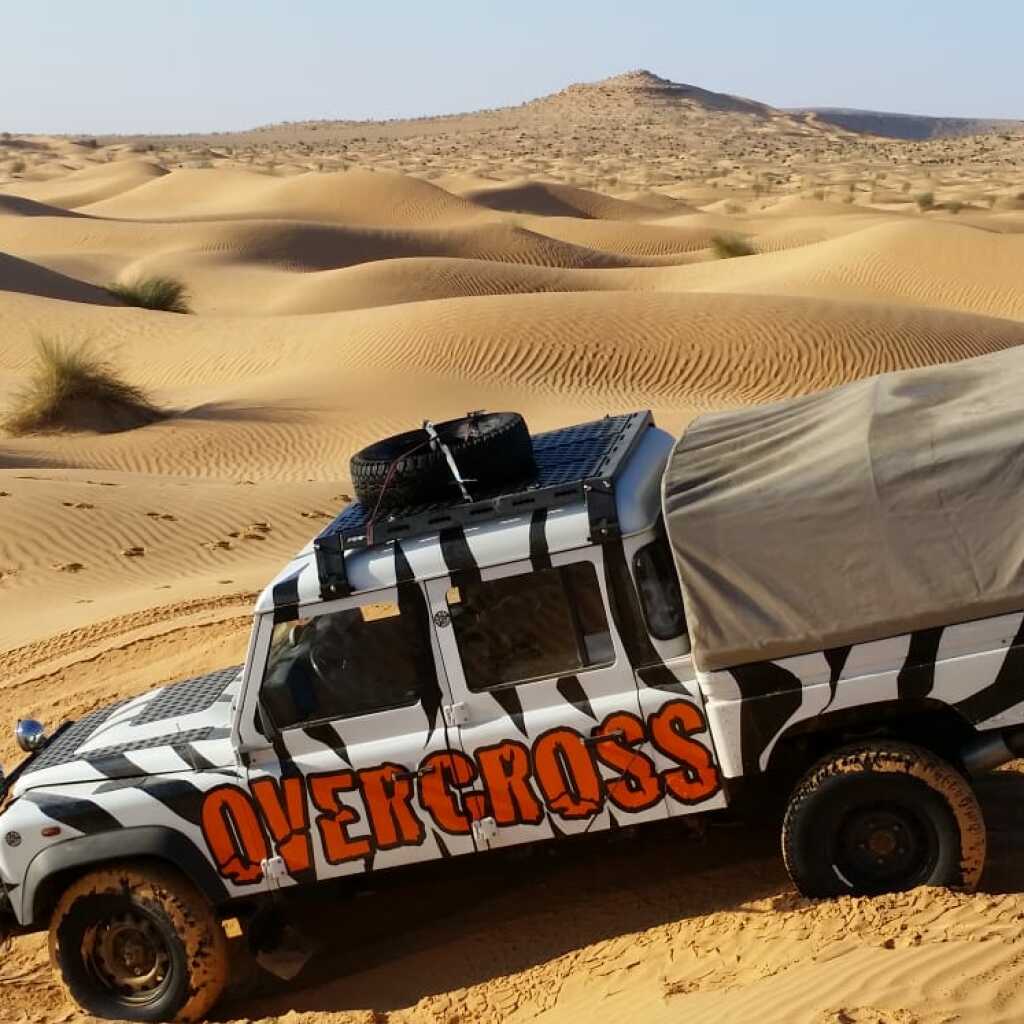
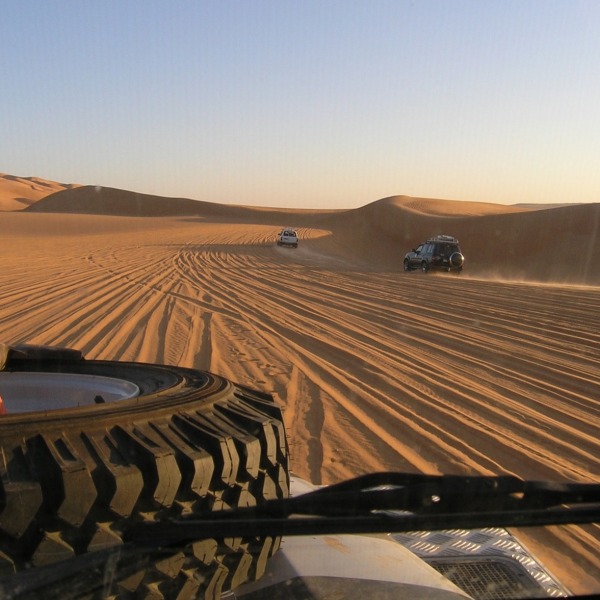
No network, no noise, just wind and engines. We traverse endless fields of dunes: the Sahara 4x4 tour shows its true side. Every ride becomes a dance between traction and sand, balance and instinct.
In the evening, campsite setup in Dekanis. The fire crackles, Habib conjures his three-course Sahara menu. Those who want to help can. Cooking in the desert is team spirit, not a duty. One participant said right here:
“I have traveled a lot, but this changes everything.” And that describes our 4x4 Sahara off-road tour quite well.
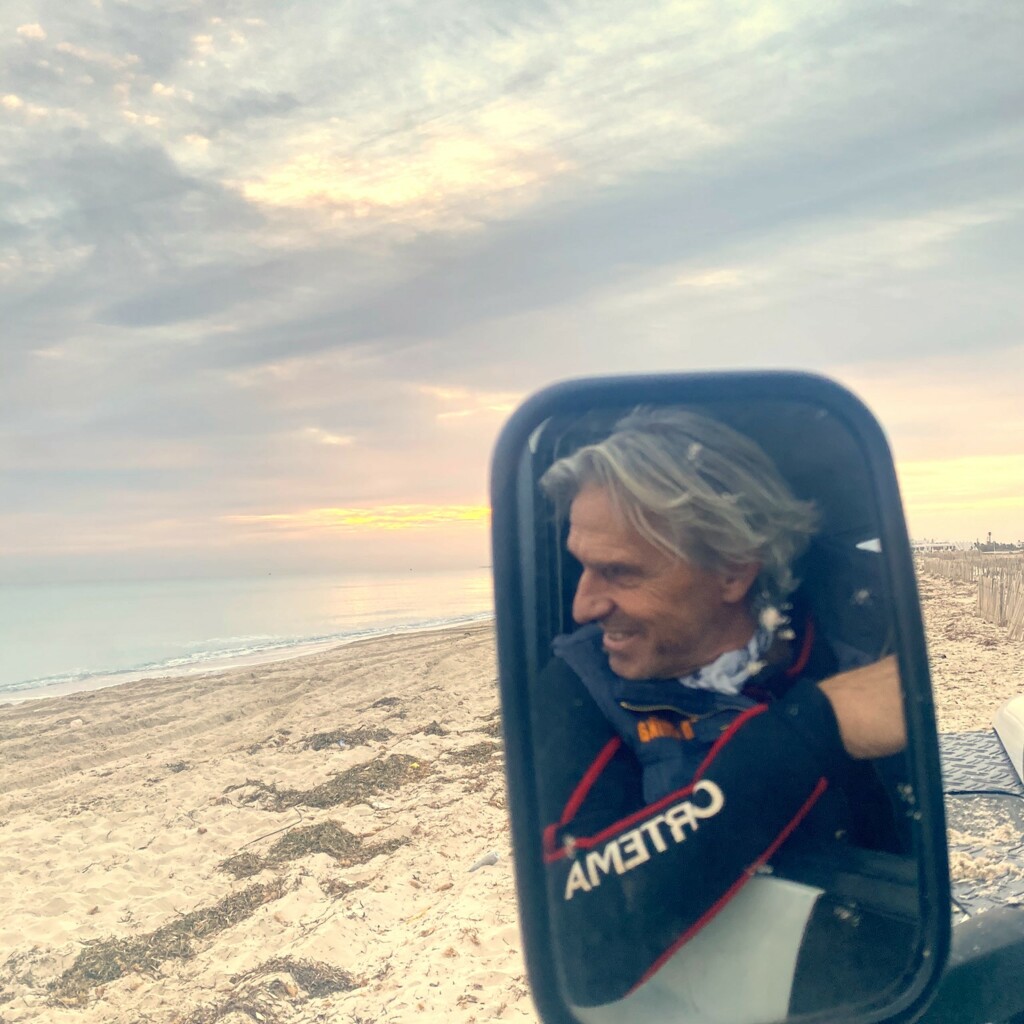
We are traversing the southern edge of the Grand Erg Oriental. Sand as far as the eye can see, and yet every dune changes with the wind. Driving technique and teamwork interlock: The group functions like a clockwork. In the evening, we bake desert bread, tell stories of nomads and Allah's garden. This is not just a Sahara 4x4 tour, it is a journey into silence.
Questions about the tour itinerary?
Our tour guide is happy to answer any questions about the day-by-day route, stops, and details.
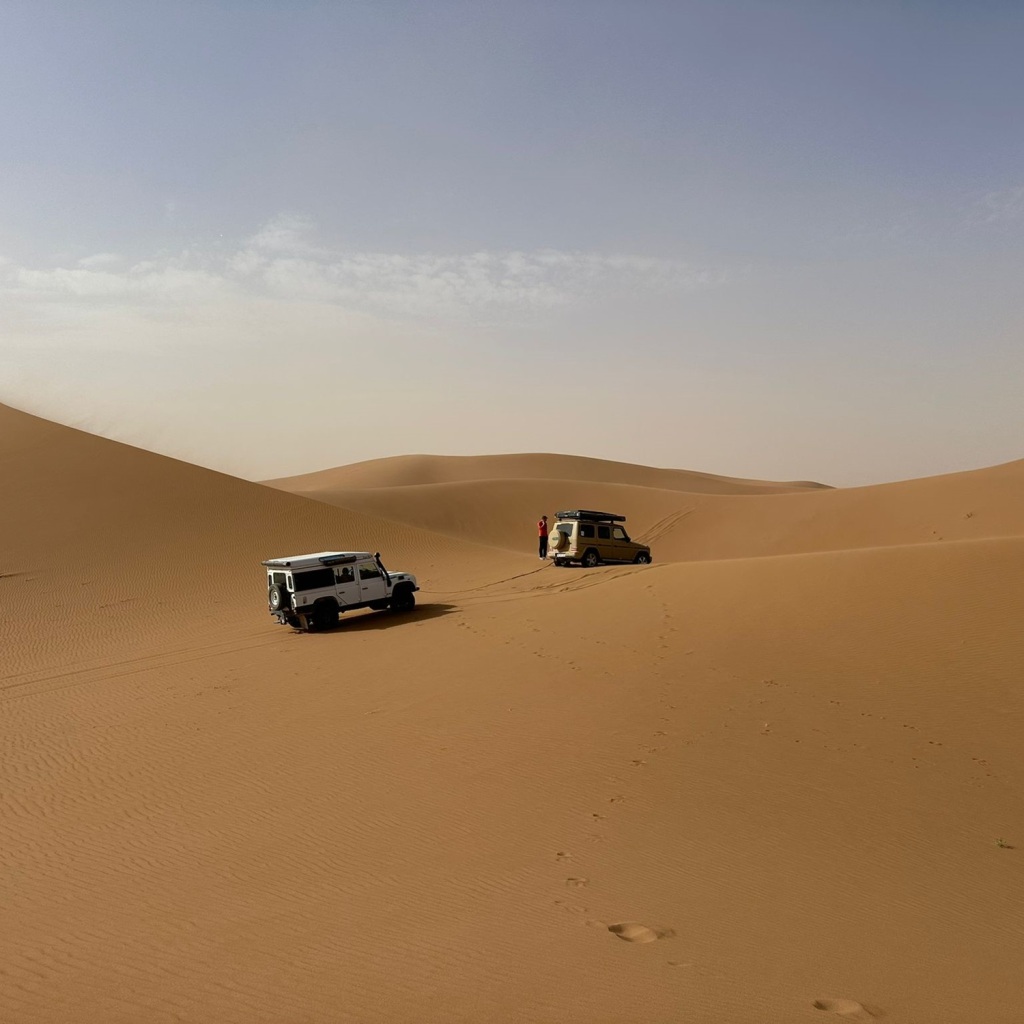
Today we head north, through the gigantic sand sea of El Mida. Here it is decided who reads the desert and who just drives. The sun burns, the dunes sing, and every meter is experience. In the evening, the final camp setup: desert, wind, and starlight. A farewell in Sahara style.

We leave the Sahara, the sand gives way to palms and dusty roads. A camp with showers and a cold refreshment. Luxury after days of simplicity. Renate takes over the kitchen, the group reflects back. The fire burns calmly, the faces relaxed: Everyone carries their own story in their gaze back at the Sahara 4x4 tour.
Today there is no schedule. A day to breathe, to arrive, to be silent. Perhaps a walk through Douz, perhaps just looking at the sky. Sahara 4x4 also means not having to do anything.
On- and off-road through Chott el Jerid, one of the largest salt lakes in Africa. The mirage shimmers on the horizon, the ground reflects like glass. Here, in 1943, the attack on Count von Stauffenberg took place. A place between past war and desert tranquility. We continue towards the Atlas, where the landscape can breathe again.
After days of silence, the road returns. We drive over the 'Rommel Post', through Kairouan and towards the coast. A hotel with an infinity pool awaits. The contrast could not be greater. Offroad Tunisia becomes a memory that settles into every pore. Luxury now means not gold, but time.
Breakfast, drive to Tunis, check-in on the ferry. The formalities go quickly, everything runs like a final stage of the Sahara 4x4 tour. In the evening at sea, a last communal meal, maybe a little surprise from the captain. Africa sinks behind us, but the Sahara remains in our minds.

At noon, Genoa comes into view. Engine on, eyes forward, dust in the heart. The Sahara 4x4 journey ends, but its echo remains: The heat on the skin, the rustling of the sand, and this indescribable feeling of having experienced something real.
Want a detailed description of all tour days?
Our expert will walk you through the full itinerary and answer all your questions.
Verified Reviews
Tunisia offroad, this was a success, great tour driving, nice people, everyone helped at any moment, whether in the kitchen or in recovering the vehicles in the...
Was for a great experience. I booked a group trip for the first time through Overcross, and I must say I’m really excited. The Sahara tour in Tunisia in April 2...
Heidi and I booked the Sahara Tour in April 2024. It was our first trip with Overcross and we were both excited. Christian, our guide, was very competent, unfla...
from
 Featured

 Featured
How did you
hear about us?


US VISITOR
We have a dedicated section for US riders — curated tours, local guides, and booking support tailored to American travelers.
EXPLORE US TOURS